
Angela Morris – CEO The Wool Packaging Company
As far back as 2005 The World Health Organisation (WHO) reported that up to half (50%) of all vaccines transported globally were ruined due to poor distribution procedures, with a resulting significant impact on human life (1). Today, in 2017 the situation remains largely unchanged. So what credible and sustainable passive packaging solution can help solve this humanitarian issue?

Vaccine damage is caused mostly by failings in cold chain logistics and current man-made insulated packaging materials. Polymer-based insulated packaging materials, such as polystyrene (EPS), are not sufficiently effective at maintaining temperature control when exposed to uncontrollable ambient extremes and are neither sustainable nor environmentally friendly.
How can this huge global cold-chain problem be solved and also meet the criteria of sustainability, being economically viable and environmentally and socially responsible?
At present, the EPS manufacturers are making only modest improvements in product development with existing materials. The properties of the material they produce allow only small incremental advances toward becoming more sustainable and effective. Radical thinking was required to create an innovative, disruptive solution.
Wool was considered as a possible solution. It must be stressed that the insulative properties of wool enable protection from both heat and cold. Because of their crimped nature, when wool fibres are packed together, they form millions of tiny air pockets which trap air, and in turn serves to keep warmth in during winter and out in the summer. Wool’s unique advantage is its breathability. That is its ability to absorb and release moisture from the surrounding air, without compromising it’s thermal efficiency.
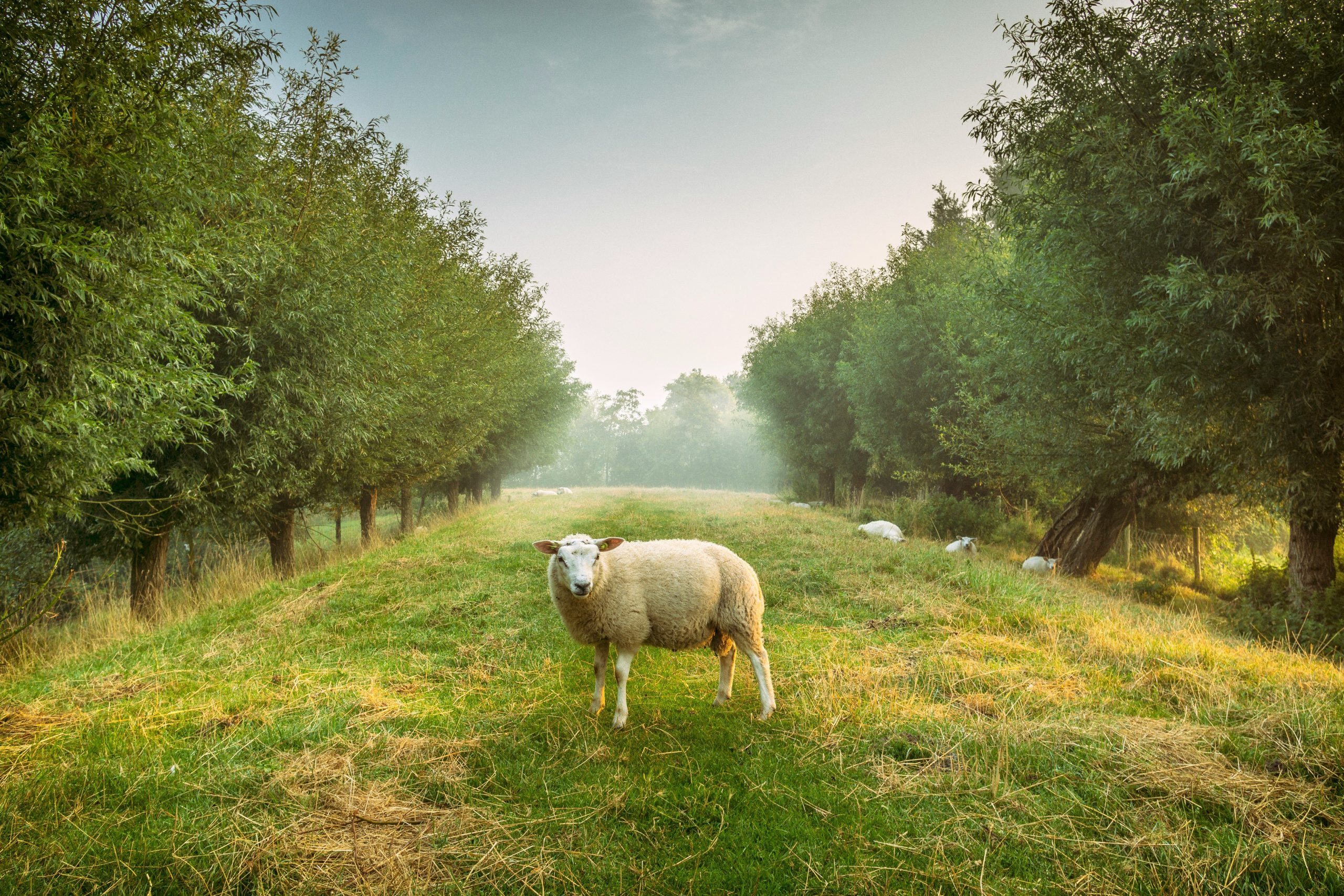
By employing coarse waste wool, a by-product of the meat industry, for which the farmer has no commercial use, Woolcool has a very effective economic argument to use wool as a replacement for EPS. In effect, creating a high value added product from a waste material stream.
Replacing oil-based packaging with a superior, natural ‘smart fibre’, which is available globally, will not only save lives by ensuring the safe and effective delivery of medicines, vaccines and blood products but also protect environments and help communities on a global level (2).
The real challenge for Woolcool however, is not proving the performance of wool, but rather convincing the pharmaceutical industry to open its eyes and accept the huge credibility that wool, this amazing natural and sustainable ‘Smart Fibre’ possesses.
- WHO Department of Immunisation, Vaccines and Biologicals 2005. Monitoring Vaccine Wastage at Country Level. WHO/V&B/03.18.Rev1
- Source: Sustainable, Insulated Packaging, Sheep Wool http://www.icevirtuallibrary
Title Image: Stephan Widua on Unsplash