
Dr Parvez Alam, CEng FIMechE, FIMMM, FRSB, School of Engineering, The University of Edinburgh, UK
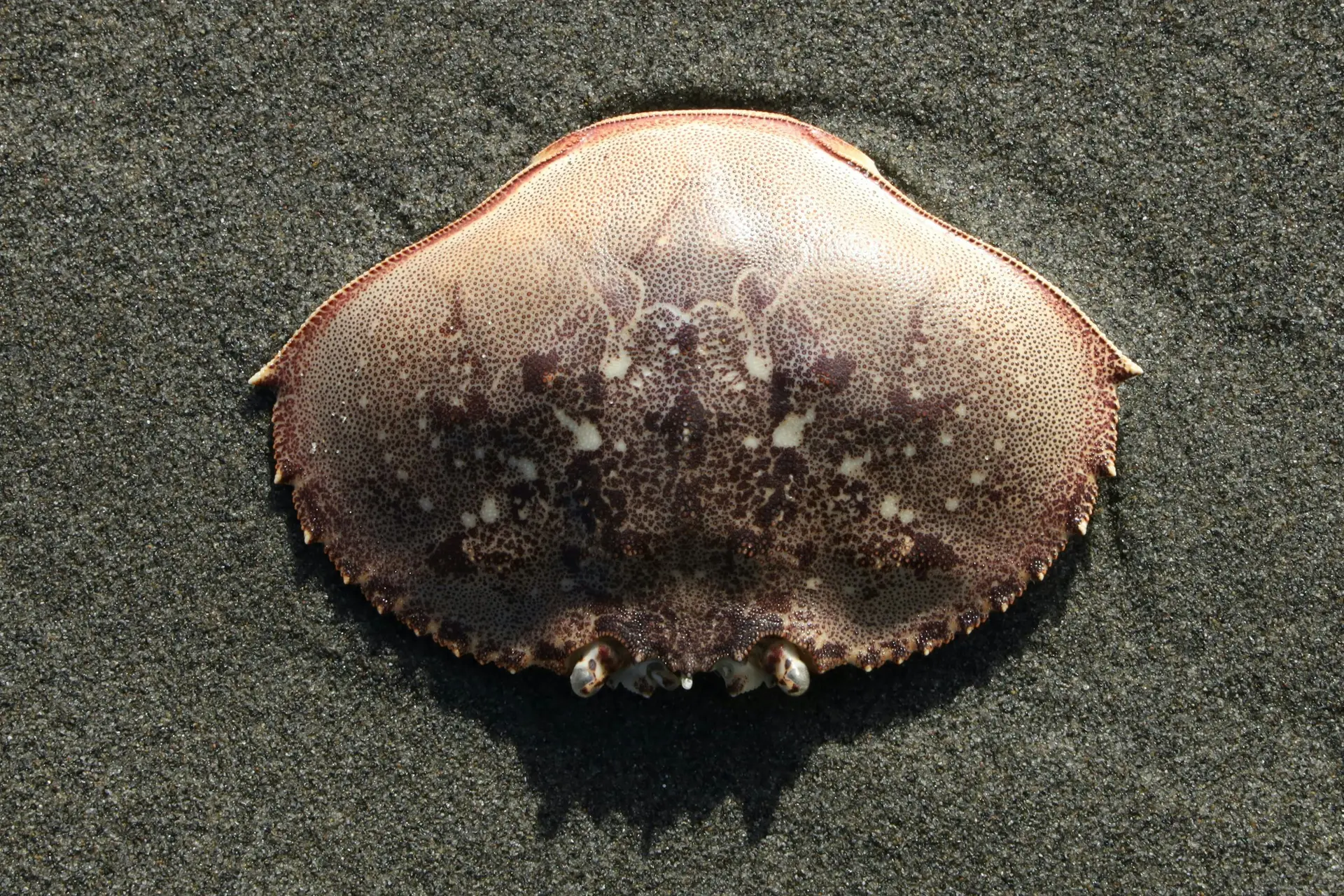
Originally discovered in mushrooms, chitin is the second most abundant biopolymer on earth. It is preponderant in the exoskeletons of arthropods such as crabs, shrimps, arachnids, insects and scorpions, in the cell walls (hyphae) of fungi, and in the radulae of molluscs. Chitin is a structural polysaccharide (based on sugars) with broad application potential in a range of industrial sectors. Chitosan, a derivative of chitin, is increasingly being used in the biomedical and biotechnology sectors. This brief article discusses the extraction of chitin and its chemical conversion to a commonly used derivative, chitosan. The article will furthermore detail the application potential of chitosan as a biomaterial.
Extracting chitin and its conversion to chitosan
Chitin is typically extracted from the exoskeletal waste of arthropods, primarily the shells of edible shrimps and crustaceans. The shells are comprised primarily of chitin, calcium carbonate and proteins. To extract solely the chitin, the exoskeletons are initially washed and dried, after which they are subjected to mechanical grinding. Following this, calcium carbonate is removed via a demineralisation process (specif. decalcification) by heating in 1 Molar (1M) sodium hydroxide for up to 72 hours. Proteins are then removed using a hot acidification treatment in hydrochloric acid for up to 48 hours to leave pure chitin. At this stage, the chitin is still pigmented (by mainly carotenoids) and is bleached using e.g. a potassium manganite/oxalic acid mixture to remove the pigments. Finally, the N-deacetylation of the chitin gives rise to chitosan, Figure 1.

General biomedical applications of chitosan
Chitosan is an excellent biomaterial as it readily protonates in neutral solution, meaning it is water-soluble and has a high affinity to negatively charged surfaces (e.g. the mucous membranes found in the body). It is biocompatible and has the additional benefits of being biodegradable and easily chemically functionalised. As such, chitosan can be used in a number of biomedical areas including; bioadhesion, drug delivery, tissue culturing, tissue regeneration (as a haemostatic agent), antimicrobials, and bioimaging (as a labelled agent), Figure 2. However, despite these fantastic properties, chitosan films are brittle, which can make them harder to use as a biomaterial. Improving the fragile nature of chitosan films is therefore a current key challenge facing biomaterials researchers. One promising mechanism to mitigate chitosan’s inherent mechanical weakness is through the development of hybrid materials comprising chitosan blended together with other polymers. The following sections provide examples of two major areas within which chitosan has biomedical relevance; wound healing and drug delivery.

Wound dressing
Wound healing is a specific biological process related to the general phenomenon of growth and tissue regeneration. The wound healing process consists of five stages involving complex biochemical and cellular process; homeostasis, inflammation, migration, proliferation, and maturation. Nanofibrillar chitosan is often used within cross-linked polymer hydrogels to improve the process of wound healing. Such hydrogels interlink polymer chains to form three-dimensional networks. The cross-linkers form either covalent or ionic bonds and are typically lower in molecular weight than the linking polymers. The final properties of cross-linked hydrogels will depend on the extensiveness of cross-linking (i.e. the cross-link density). Chitosan hydrogels are essentially structures of chitosan-chitosan cross-links, hybrid polymer cross-linked networks, or ionic cross-linked polymer networks. These have several benefits for the wounded area including: the ability to decrease inflammation by absorption of fluid from the inflammation site, the blocking of nerve endings to reduce pain, the enabling of nucleation sites for healthy cell growth (via scaffolding), antimicrobial properties, and an ability to act as a temporary glue to effectively hold the site of damage together.

Nano-chitin fibrils are also beneficial in wound healing. The repeating monomer subunit of chitin, N-acetylglucosamine (NAG) is understood to originate and cross-link to collagen in a wound. Both nano-chitin and nano-chitosan can be degraded by lysozymes in the fluid of the wound. Chitin has a mechanical benefit over chitosan in wound healing as it increases the tensile strength of the wound to a greater degree.
Drug delivery
Chitosan has distinctive features, which makes it a suitable candidate for controlled drug delivery. These include biodegradability, nontoxicity, and biocompatibility with the human body, which are conjointly important, as degraded chitosan should not cause any inflammatory response in the body. An example for drug encapsulation within chitosan is via a self-assembly process, Figure 4. Chitosan is cationic and therefore naturally hydrophilic. As such, hydrophobic moieties grafted along chitosan backbones will easily cling to hydrophobic drugs within a hydrophilic solvent, essentially turning the chitosan backbones into envelopes that contain the drugs. This self-assembly process is one of many variants, each of which relies on the judicious manipulation of positive and negative charges within molecular systems.

Positive/negative charge relationships can also be used to deliver drugs from the nano-chitosan vessels to specific sites of interaction. While physical changes to the nanoparticle such as erosion, diffusion and swelling may result in the release of drug from a chitosan vessel, physicochemical mechanisms are slightly more targeted to substrates. Figure 5 provides a step-by-step example of how positively charged chitosan nanoparticles might adhere electrostatically to negatively charged mucosal layers, after which physical processes such as diffusion or erosion, take over to enable drug release over time.

Title image: Mike Dierken on Unsplash